
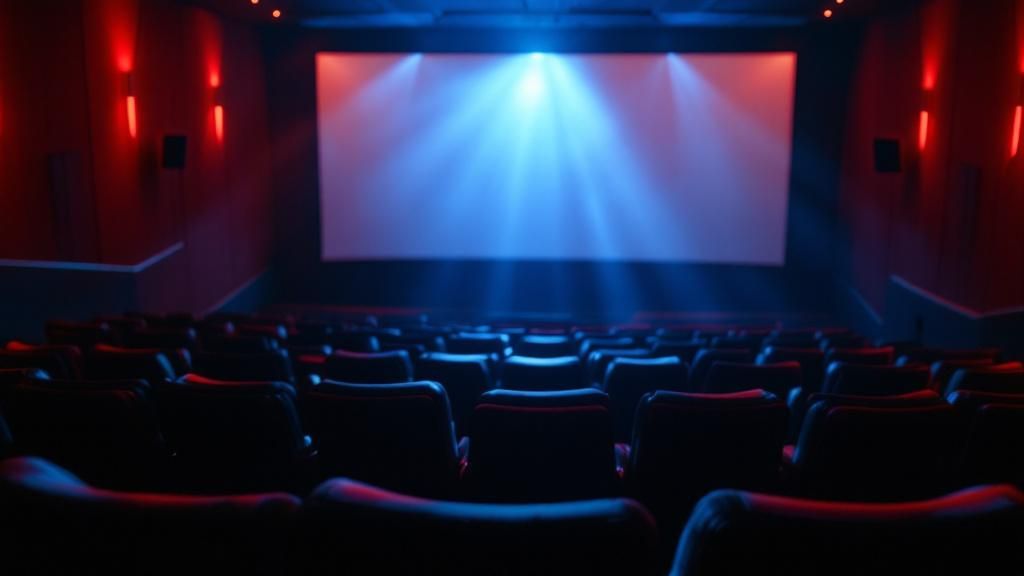
In a period when streaming services proliferate and domestic cinema systems grow more advanced, cinema attendance might look set to decline. Yet defying forecasts, audiences are returning to theatres in impressive numbers. This resurgence raises intriguing questions: what draws filmgoers back to cinema screens? From major spectacles to character-driven dramas, this article investigates why established cinemas keep flourishing, examining the unique appeal of big-screen experiences and how the industry has adjusted to compete with convenient home entertainment alternatives.
The Revival of Cinema-Going
Following the tough pandemic period, cinema attendance has seen a notable recovery in the United Kingdom and beyond. Blockbuster titles have drawn considerable audiences back to theatres, with major franchises and highly-anticipated films boosting footfall through cinema doors. This resurgence demonstrates that despite the accessibility of streaming platforms, audiences still appreciate the shared experience of watching films on the big screen. The theatrical experience offers something essentially unique from home viewing, combining immersive visuals, superior sound systems, and the mutual emotional connection of watching alongside other film enthusiasts.
Industry analysts link this recovery to several interconnected factors. Firstly, the calibre of cinema technology has improved markedly, offering audiovisual experiences that cannot be replicated at home. Secondly, cinemas have broadened their offerings beyond traditional film screenings, incorporating premium experiences such as IMAX, Dolby Cinema, and luxury seating arrangements. Additionally, the cinema release window remains of cultural significance, with audiences eager to experience major films as intended by filmmakers. This blend of technological innovation and improved customer experience has cemented cinemas as essential entertainment venues rather than things of the past.
Why Audiences Prefer the Big Screen
The film experience provides something truly irreplaceable that domestic viewing simply cannot replicate. The engaging quality of a cinema screen—often several storeys high—alongside cutting-edge audio systems generates an comprehensive sensory experience. Audiences are transported into narratives with an power that domestic installations find difficult to match, irrespective of spending. This level of immersion is particularly beneficial for action films, science fiction spectacles, and visually striking movies where big-screen presentation proves essential to narrative impact and emotional resonance.
Beyond technical requirements, cinemas create a distinctive social atmosphere that streaming platforms cannot replicate. The shared viewing experience of viewing films amongst fellow cinema-goers produces shared emotional responses, unscripted laughter, and genuine communal engagement. This social dimension transforms cinema visits into occasions rather than mere entertainment consumption. Furthermore, theatrical releases offer escape from household interruptions—no phone notifications, household interruptions, or temptations to pause mid-film. For many audiences, especially younger viewers, cinema attendance represents a cherished ritual and cultural experience that reinforces cinema’s enduring appeal.
The Social Interaction and Social Community
Cinema attendance extends far past mere film consumption; it represents a cherished social ritual that streaming services cannot replicate. Audiences treasure the shared environment of theatres, where collective emotional reactions create unforgettable moments. The shared laughter, gasps, and clapping during screenings build authentic bonds amongst strangers. Furthermore, cinemas operate as spaces for cultural assembly, offering opportunities for loved ones to share entertainment. This irreplaceable social dimension remains a powerful draw, particularly for younger demographics who prefer interactive activities over watching alone at home.
Beyond leisure activities, cinemas strengthen neighbourhood communities by operating as cultural hubs within neighbourhoods. Independent and multiplex cinemas alike stage exclusive events, film festivals, and advance screenings that promote community participation. These venues offer employment prospects and strengthen neighbourhood economies through concessions and ancillary services. The theatre environment cultivates anticipation and occasion, transforming film-watching into an event rather than a routine activity. As people increasingly seek meaningful social interactions post-pandemic, cinemas have established themselves as vital neighbourhood spaces where audiences gather whilst enjoying collective storytelling moments.
The Evolution of Motion Pictures in a Modern Digital Era
The cinema industry finds itself at a pivotal crossroads, where technological advancement and consumer preferences combine to transform entertainment consumption. Rather than being overwhelmed by digital disruption, cinemas have demonstrated remarkable resilience by embracing innovation. Advanced projection systems, immersive sound systems, and premium seating experiences have elevated the theatrical offering well past film projection. This evolution suggests that the future of cinema lies not in competition with streaming services, but in providing offerings that home viewing simply cannot match, ensuring cinemas remain cultural gathering spaces for future generations.
Looking ahead, the cinema sector must remain responsive to preserve its relevance in an increasingly digital landscape. Industry stakeholders are investigating diverse revenue streams, from high-end offerings like IMAX and Dolby Cinema to experiential events and diverse content options. The revival of theatrical attendance demonstrates that audiences value the communal experience, the advanced projection standards, and the escapism that theatres provide. As long as filmmakers produce engaging stories and cinemas pursue technological advancement, the theatrical experience will persist as an vital element of popular culture and entertainment.
