
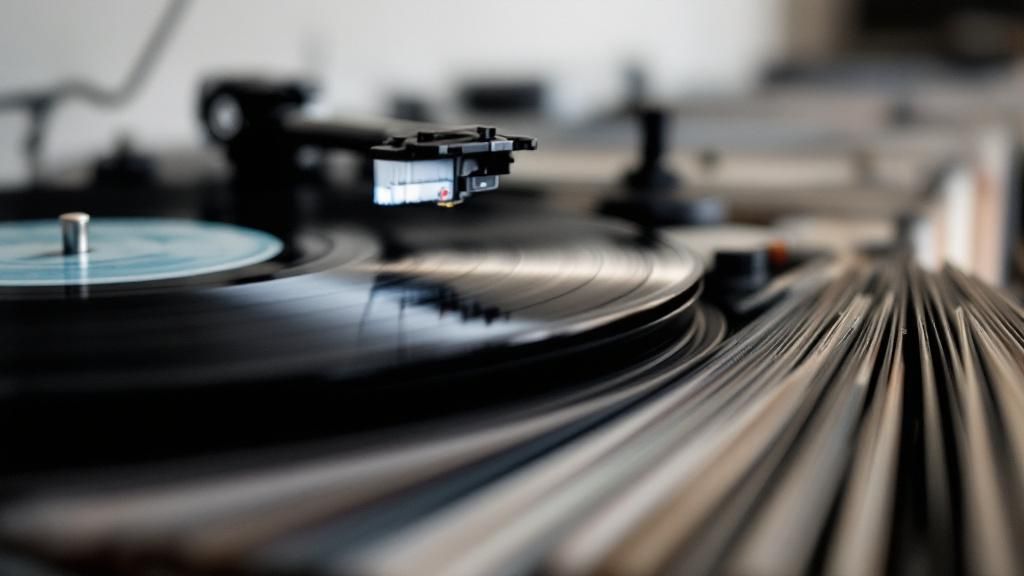
In an era shaped by streaming services and digital downloads, vinyl records have made a remarkable comeback that few market observers predicted. From standalone record stores in London to specialist collectors across the globe, the analogue format is undergoing remarkable growth amongst both experienced listeners and a younger cohort of music enthusiasts. This comeback raises fascinating queries about why listeners are returning to physical media, what drives the vinyl market’s explosive growth, and whether this retro movement represents a enduring transformation in how we consume music.
The Resurgence of Vinyl Culture
The resurgence of vinyl records represents a compelling alternative movement to the digital streaming dominance that has dominated the music industry throughout the past two decades. Record shops that once were threatened with closure have reopened their doors to vibrant communities of enthusiasts, whilst new independent retailers have established themselves across major cities worldwide. This unexpected revival has transformed vinyl from a niche hobby into a mainstream cultural phenomenon, with sales rising consistently each year. The phenomenon goes beyond mere nostalgia, reflecting a real change in listener attitudes towards the way music is consumed and the importance of physical formats.
What renders this revival particularly noteworthy is its resonance with audiences of all ages. Whilst veteran collectors reconnect with their treasured records, younger listeners are discovering vinyl anew, attracted to the ritualistic aspects of playing records and the refined sonic characteristics that many enthusiasts champion. Record collecting has evolved into a communal pursuit, with communal listening sessions and vinyl gatherings drawing varied audiences. This widening accessibility of vinyl has legitimised the format within modern music conversations, establishing it as a credible alternative to streaming platforms and disrupting conventional thinking about current listening practices.
Why Sound professionals Prefer Analog audio
Audiophile enthusiasts contend that vinyl records create a sonic warmth that digital technology simply cannot replicate. The analog signal encoded in vinyl grooves preserves the entire range of sound frequencies, creating a more authentic listening experience. Many listeners find that vinyl playback offers outstanding clarity and dimension, notably in orchestral and jazz recordings. This audio signature stems from the fundamental characteristics of analogue technology, which preserves continuous audio waves rather than separate digital samples.
The mechanical process of vinyl playback produces subtle harmonic characteristics that audiophiles regard as valuable. When a stylus traces vinyl grooves, it naturally generates tonal qualities that digital reproduction struggles to emulate. Furthermore, the absence of compression algorithms employed in digital audio preservation means vinyl preserves nuances that might otherwise be overlooked. This uncompressed fidelity appeals to attentive audiences who value audio excellence above convenience, making vinyl the preferred choice for critical listening sessions.
Beyond tonal characteristics, vinyl records call for conscious involvement from listeners. The deliberate process of picking out an album, setting the record onto a turntable, and adjusting the needle creates a conscious listening session. This deliberate interaction contrasts sharply with passive consumption, encouraging deeper musical appreciation and familiarity with artists’ entire bodies of work.
Market Expansion and Economic Consequences
The vinyl record market has demonstrated remarkable financial growth over the past decade, with global revenue figures reaching record highs. Industry data indicate that vinyl sales have increased substantially year after year, generating significant income in international revenue. This market revival has revitalised independent record retailers, manufacturing plants, and logistics infrastructure that had formerly experienced downturn. Major record labels have responded by investing heavily in vinyl production, recognising the format’s profitability and social relevance amongst modern audiences.
Beyond commercial transactions, the vinyl renaissance has energised ancillary markets encompassing turntables, amplifiers, and high-quality sound gear. Manufacturers of high-fidelity sound systems report higher sales as consumers invest in quality playback equipment. This commercial environment has generated jobs across manufacturing, sales, and distribution industries. The resurgence shows that tangible formats remains profitable, challenging earlier predictions of complete industry collapse and establishing vinyl as a significant contributor to the modern music sector’s financial health.
The Tomorrow of Vinyl Records
The direction of vinyl records appears notably encouraging as market analysts anticipate sustained increases throughout the following decade. Industry experts anticipate that the resurgence will sustain itself through enhanced spending on manufacturing infrastructure, superior production standards, and broader retail reach. Younger demographics continue embracing vinyl as a deliberate counterbalance to digital saturation, whilst established collectors continue focused on expanding their collections. Record labels are engaging actively, investing more heavily towards vinyl releases alongside digital formats, demonstrating faith in the format’s lasting appeal and profitability.
Advances in technology and environmental consciousness are poised to shape vinyl’s future trajectory significantly. Manufacturers are exploring eco-conscious manufacturing practices, employing recycled materials and environmentally responsible wrapping to attract ecologically conscious consumers. Meanwhile, advancements in turntable technology and audio equipment continue enhancing the auditory enjoyment, drawing in discerning audiophiles seeking superior sound quality. As digital listening fatigue continues and consumers increasingly value tangible, collectible media, vinyl records seem well-placed to remain a cornerstone of modern musical heritage for years ahead.
